

Hydraulic Winch
About
Top Gear offers electric winches as part of its premium winch drives range, purpose-engineered for heavy-duty industrial and material handling environments where precise load control, high pulling force, and reliable performance are non-negotiable.
Powered by high-efficiency electric motors integrated with advanced planetary gearboxes, these winches excel in conditions where electrical power infrastructure is readily accessible, offering clean, low-maintenance, and highly efficient operations. Available in loading capacities from 0.5 tonnes to 50 tonnes, our electric winch finds wide application across manufacturing, mining, construction, and warehousing industries, delivering smooth, multi-speed, or variable speed control and exceptional reliability in compact footprints.
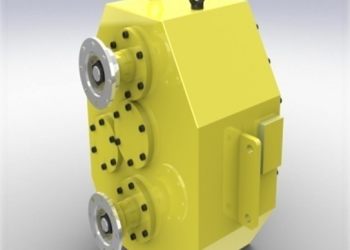
Specifications of Auxiliary Gearbox
Key Features of Auxiliary Gearbox
- Available With Multiple Drum Mounting Options
- Housing Driven Or Shaft Driven Configuration
- High-efficiency electric motor (IE3 / IE4 compliant) with thermal overload protection
- Smooth, stepless speed control via Variable Frequency Drive (VFD) integration
- Robust, heavy-duty construction for continuous industrial operation
- Adaptable to dual-motor or redundant drive arrangements if required
- Failsafe electromagnetic or electro-hydraulic thruster brake system integrated
- Available in foot or side mounting configurations
- Specific enclosure protections (up to IP55 / IP65) available for outdoor or dusty sites
- Rope guide arrangement and limit switches available on request
- Compact planetary gearbox output ideal for demanding load handling
Benefits of Auxiliary Gearbox
Highest Reduction Possible In Compact Space
Marine Winches Designed For High Corrosion Resistance
Safe Operation In Hazardous Environments
Best Suited For Slow-Speed, High-Torque Applications
Compact Design
High Load Capacity
Enquire Now
Benefits
Rugged Design to Work in Varied Working Condition
Designed for Outdoor Application
Creep Speed Available for Micro Movements
High Seed Availability
Customizable
Flexible Mounting
Designed for Better Safety
Application of Hydraulic Winch
Construction Machinery
- Skip Bucket Conveyor
- Piling Rigs
- Concrete Pump Trucks
Steel Plants
- Furnace Door Opening & Closing
- Ladle Transfer Systems
Mines And Minerals
- Drilling Rigs
- Bucket Wheel Reclaimers
- Underground Haulage
Marine & Offshore
- Anchor Handling Winches
- Mooring Winches
- Concrete PShip Deck Winches
- Subsea ROV Tether Management
Material Handling
- Mobile Cranes
- Pick And Carry Cranes
- Ship Loaders
Oil & Gas
- Pipeline Laying Barges
- Wellhead Maintenance Equipment
Related Products

Faqs
A hydraulic winch uses pressurised hydraulic fluid supplied by a hydraulic pump to drive a hydraulic motor connected to a planetary gearbox and drum. As fluid flows through the motor, it generates high rotational torque that winds the rope or wire onto the drum, enabling controlled lifting, pulling, or lowering of heavy loads. Speed is regulated by controlling the hydraulic flow rate, allowing stepless adjustment without load shock.
A hydraulic winch is powered by a hydraulic pump (driven by an engine or separate power unit), making it suitable for hazardous, wet, and remote environments where electricity is unavailable or unsafe. Electric winches require a stable power supply and are better suited for light-to-medium duty in controlled environments. Hydraulic winches generally offer higher continuous-duty performance, greater torque output, and inherent overload protection through pressure relief valves.
Key selection criteria include: (1) maximum load capacity in Newtons or tonnes, (2) required line speed in m/min, (3) rope length and diameter, (4) available hydraulic system pressure (bar) and flow rate (LPM), (5) duty cycle intermittent or continuous, and (6) environmental factors such as marine exposure, explosive atmosphere classification, or extreme temperatures. Top Gear's engineering team can assist with custom sizing based on your operational parameters.
Yes. Top Gear manufactures hydraulic winches with special corrosion-resistant coatings, sealed bearing arrangements, and stainless steel or duplex material components specifically for marine and offshore applications. These winches are designed for high-humidity, saltwater exposure, and comply with relevant marine equipment standards.
Our hydraulic winches incorporate a failsafe spring-applied, hydraulic-release brake that automatically engages if hydraulic pressure drops — preventing uncontrolled load release. Additional safety features include pressure relief valves to prevent overload, load-holding counterbalance valves, and optional load limiters. The braking system can be integrated inside the gearbox housing or mounted externally depending on installation requirements.