
A winch looks simple from the outside. A drum, a rope and a motor. Behind that simple shape sits a gearbox that decides how safely and smoothly the load moves.
We build winch drives for loads from half a tonne to fifty tonnes. This guide explains how a winch works. It covers the difference between a hydraulic winch and an electric winch. It also shows how to choose the right drive for your job.
Winch drives power everything from skip buckets on a site to ship loaders at a port. Each use case brings its own load, speed and environmental demands.
What a Winch Drive Does
A winch pulls, lifts or lowers a load using a rope wound around a drum. The drum needs steady torque to start the pull and to hold the load once it stops.
The drive sits between the motor and the drum. It cuts the motor speed down and raises the torque at the drum. This is what lets a small motor move a heavy load without strain.
A good winch drive also holds the load in place when the motor is off. This needs a reliable brake built into or fitted onto the gearbox.
Hydraulic Winch and Electric Winch Explained
We offer winches in two main variants, electric and hydraulic. Each variant suits a different setting.
An electric winch runs on an electric motor. It suits sites with steady power and fits well onto cranes, trucks and fixed structures. Control is usually simple, with a switch or a remote.
A hydraulic winch runs on hydraulic pressure, usually from the same system that powers other equipment on a machine. It suits mobile equipment and off-road vehicles that already carry a hydraulic pump. It also handles very heavy and continuous duty work well.
Our range also covers mechanical and pneumatic winch types for specific needs. Mechanical winches are available with an idle gear reverse mechanism for added control.
Specifications to Check Before You Choose
Four figures decide whether a winch fits your job. Capacity tells you the maximum pull the drive can handle. Our range spans 2500 N to 500000 N.
Line speed tells you how fast the rope winds in or out. It ranges from 0.1 m per minute to 50 m per minute depending on the model. Rope length and rope diameter are set to match your application.
Share your load, speed and rope needs with the supplier early. This avoids a mismatch that shows up only after installation. A winch sized for a lighter load will strain and wear out faster under a heavier pull.
Key Features That Improve Winch Performance
- Available with multiple drum mounting options
- Housing driven or shaft driven configurations
- Available in electric, hydraulic, mechanical and pneumatic types
- Robust construction for heavy duty work
- Adaptable to multiple prime movers at a time if required
- Failsafe brake integrated inside the gearbox or mounted externally
- Available in foot or side mounting
- Specific materials and design for marine winches
- Rope guide arrangement available on request
Why the Gearbox Inside Matters
The gearbox is the heart of any winch drive. It needs the highest reduction possible while staying compact, since space on cranes and trucks is often limited.
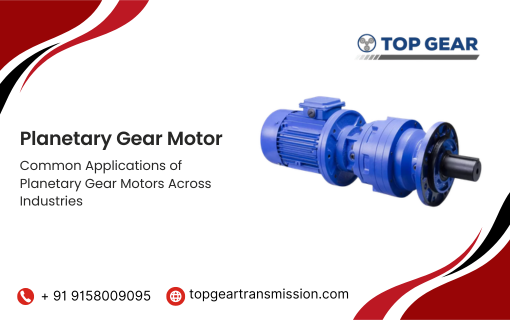
Many of our winch drives use planetary gear technology for this reason. A planetary layout gives high torque and a compact size together. You can read more about this design in our planetary gearbox range.
The gearbox suits slow speed applications that need high torque. That is exactly the demand a loaded winch places on its drive.
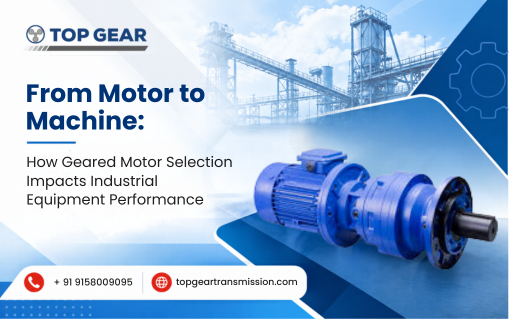
A geared motor can also power smaller winch units where a compact, self-contained drive is preferred. Our planetary geared motors cover that need.
Benefits of a Well-Built Winch Drive
- Highest reduction possible in less space
- High load capacity across models
- Marine winches designed for high corrosion resistance and long life
- Best suited for slow speed application and high torque requirement
- Compact design that fits tight mounting spaces
Where Winch Drives Are Used
Construction sites use winch drives on skip bucket conveyors. Steel plants use them to open heavy furnace doors.
Mines and quarries rely on winch drives for drilling rigs and bucket wheel reclaimers. Ships use marine winches built to resist corrosion from salt air and water.
Material handling applications include mobile cranes, pick and carry cranes, bucket wheel systems and ship loaders. Each setting places a different demand on load, speed and duty cycle.
Foot and Side Mounting Options
A winch drive can be fitted in more than one way. Foot mounting bolts the unit flat to a base frame. Side mounting attaches it to a vertical face.
The right choice depends on the space around the winch and the direction of load. Housing driven and shaft driven configurations add further flexibility for different installations.
Marine Winch Design Considerations
A marine winch works in one of the toughest environments a drive can face. Salt spray, humidity and constant vibration all attack unprotected metal.
We design marine winches with specific materials and coatings to resist corrosion. This keeps the drive working reliably over a long service life at sea. Regular washdown and inspection further extend that life on a working vessel.
How to Select the Right Winch Drive
Start with the load you need to move and the direction of pull. Check whether your site has electric power or a hydraulic system in place. This often decides between an electric winch and a hydraulic winch.
Then confirm line speed and rope length against your task. Finally, consider the environment. A marine or outdoor setting needs extra protection against corrosion and weather.
Our team reviews these details with every enquiry. You can see how we have matched drives to real applications in our success stories.
Maintenance Tips for Longer Winch Life
Routine inspection keeps a winch drive reliable. Check the rope for fraying, check the brake for grip, and check the gearbox for oil leaks or unusual noise.
Follow a regular maintenance schedule rather than waiting for a fault. This approach rules out common problems early and extends the life of the equipment.
Keep a maintenance log for each winch. A written record makes it easier to spot a pattern before it becomes a failure.
Conclusion
A winch drive looks straightforward. But the gearbox, brake and motor type inside it decide how well it performs under load. Matching capacity, line speed and environment to the right drive keeps operations safe and efficient.
Top Gear Corporation Limited has built gearboxes for more than 25 years. To discuss a winch drive for your application, visit www.topgeartransmission.com or write to sales@topgeartransmission.com.
Frequently Asked Questions
What is the difference between a hydraulic winch and an electric winch?
An electric winch runs on an electric motor. A hydraulic winch runs on hydraulic pressure from a pump system.
What load capacity do winch drives cover?
Our winch drives cover capacities from 2500 N to 500000 N, suiting loads from half a tonne to fifty tonnes.
Which industries use winch drives?
Construction, steel plants, mining, marine, and material handling industries all use winch drives regularly.
Why do winches use a planetary gearbox?
A planetary gearbox gives high torque in a compact size, which suits slow speed, heavy load applications.
Can a winch drive include a brake?
Yes. A failsafe brake can be integrated inside the gearbox or mounted externally for added safety.
What line speed can a winch drive achieve?
Line speed ranges from 0.1 m per minute to 50 m per minute, depending on the model.
Are winch drives available for marine use?
Yes. Marine winches use specific materials and designs for high corrosion resistance and long life at sea.